
Tea & Matcha Perfumes (2026): The Calm, Clean-Luxury Scent Trend That Feels Instantly Sophisticated
In 2026, fragrance trends are shifting away from loud, syrupy sweetness and moving toward something more refined: scents that feel calm, clean, and quietly luxurious. That’s exactly why tea and matcha perfumes are rising so fast.
These fragrances don’t try to be “sexy” in an obvious way. Instead, they create a soft, elegant aura—like crisp linen, a warm mug in your hands, and a life that feels a little more put together than it actually is. Tea scents can be airy and fresh, creamy and cozy, or gently smoky and sensual, depending on the blend.
This guide explains what tea and matcha perfumes smell like, why they’re trending in 2026, and how to choose a tea scent that feels expensive and wearable.
What Tea Perfumes Actually Smell Like
Tea in perfume is rarely a literal “tea bag” smell. It’s usually an impression—fresh, slightly herbal, clean, and smooth. Many tea fragrances feel like a calming breeze rather than a bold cloud.
Tea perfumes often land in one of these moods:
- Fresh and clean (bright, crisp, spa-like)
- Creamy and cozy (soft, milky, comforting)
- Softly smoky (subtle depth, more sensual)
- Minimal and elegant (quiet luxury, skin-close)
Tea notes are commonly paired with musk, soft woods, citrus, airy florals, or gentle amber to keep them wearable and modern.

Le Monde Gourmand Thé Matcha Eau de Parfum
Why Tea & Matcha Scents Are Trending in 2026
Tea perfumes feel “new” and “familiar” at the same time, which makes them extremely appealing.
1) They match the quiet luxury mood
Tea scents are polished and understated. They give a refined impression without shouting, which is exactly the vibe many women want in 2026.
2) They feel calming and emotionally “clean”
Tea is associated with relaxation, balance, and comfort. A tea fragrance can feel like a reset—fresh, soothing, and grounded.
3) They are low-risk and highly wearable
Tea perfumes tend to be less likely to overwhelm people in offices, cafés, and shared spaces. They’re often soft enough for daily wear.
4) They blend beautifully with “skin scent” profiles
Tea notes pair naturally with musks and clean woods, which are already popular in modern fragrance. That makes tea scents feel current and easy to love.
Tea vs Matcha in Perfume: What’s the Difference?
Although both fall under the “tea” umbrella, they can smell very different.
Tea (Green/White/Black Tea)
- Green tea: crisp, fresh, slightly grassy, clean
- White tea: soft, airy, delicate, often “linen-like”
- Black tea: deeper, warmer, slightly sweet or smoky
Tea notes can feel fresh and bright or smooth and cozy depending on the blend.
Matcha
Matcha perfumes tend to feel:
- creamier
- more velvety
- sometimes slightly nutty or milky
- often “soft gourmand,” but still elegant
Matcha blends can lean modern and cozy—especially when combined with milk notes, vanilla, or soft woods.

CA Perfume Impression of The Matcha 26 For Women & Men
The Notes That Make Tea Perfumes Smell Expensive
Tea scents can go either “luxury spa” or “too sharp and herbal.” Balance is everything. These notes often elevate tea into a refined, expensive-smelling fragrance:
Musk
Creates softness and a clean, skin-close finish.
Soft woods (sandalwood, light cedar)
Adds structure, warmth, and longevity without overpowering the tea.
Citrus (bergamot, mandarin)
Brightens tea and keeps it fresh, especially in daytime scents.
Sheer florals (jasmine, peony, lily-of-the-valley)
Adds elegance and a subtle feminine glow without becoming a heavy bouquet.
Gentle amber
Gives warmth and smoothness, especially in cooler-weather tea fragrances.
Lactonic notes (milk, rice, creamy accords)
Common in matcha perfumes—creates a cozy, velvety softness.
The Main “Types” of Tea Perfumes (Choose Your Vibe)
Tea scents are not all the same. Choosing the right direction makes the difference between “love” and “not me.”
1) Fresh Green Tea (Clean and Crisp)
Best for: summer, office, everyday errands, fresh-out-of-shower vibes.
Feels like: a clean white shirt, cool air, minimal makeup.
Often paired with: citrus, light musk, airy florals.
2) White Tea (Soft and Linen-Clean)
Best for: work, daily signature scent, minimalists.
Feels like: soft laundry, calm elegance, “quiet luxury.”
Often paired with: musk, soft woods, delicate florals.
3) Matcha Latte (Creamy and Cozy)
Best for: fall/winter, café days, comfort mood, soft-gourmand lovers.
Feels like: cozy sweater, warm drink, soft glow.
Often paired with: milk/rice notes, vanilla, sandalwood, musk.
4) Black Tea (Warm and Slightly Smoky)
Best for: evening, dates, winter, deeper mood.
Feels like: warm amber light, a little mystery, refined sensuality.
Often paired with: amber, woods, gentle spice, deeper musks.
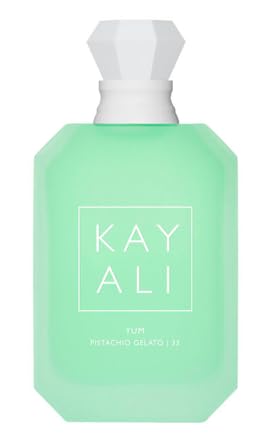
Huda Beauty Kayali Yum Pistachio Gelato
Best Seasons and Occasions for Tea & Matcha Perfumes
Tea fragrances are among the most versatile categories, but different styles perform better in different settings.
Office and professional settings
Tea scents are usually clean, soft, and appropriate. They tend to stay elegant without overpowering coworkers.
Café and everyday wear
Tea perfumes feel effortless and modern. They fit casual life beautifully and often feel “expensive” in close range.
Summer
Green tea and white tea styles shine in warm weather because they feel refreshing and breathable.
Winter
Matcha and black tea blends feel cozier and warmer, especially when layered with creamy or woody notes.
Longevity and Projection: What to Expect
Tea perfumes often have a moderate projection and a refined trail. Many are intentionally not loud—especially in the clean tea category.
Typical wear pattern:
- first 15 minutes: crisp freshness, citrus sparkle, or green clarity
- 1–4 hours: the most beautiful stage—tea + musk/woods blend into a soft aura
- later hours: a gentle skin scent of clean musk, soft woods, or creamy warmth
Matcha and black tea blends often last longer than very fresh green tea styles, especially if they include woods, amber, or creamy base notes.
How to Choose a Tea Perfume That Won’t Feel “Too Herbal”
Some tea fragrances can lean sharp or overly green. A simple rule helps:
If “herbal” notes dominate the description:
Choose formulas that also include musk, soft woods, or creamy notes to keep things smooth.
If a tea scent feels too fresh and disappears quickly:
Look for sandalwood, amber, or musks in the base—these increase staying power.
If a tea scent feels too “plain”:
Matcha or black tea blends often have more depth and a richer personality.
How to Wear Tea Perfumes for Maximum Impact (Without Being Loud)
Tea scents often smell most luxurious when worn softly.
A clean, effective method:
- one spray at the side of the neck
- one spray behind the ears or at the back of the neck
- optional: one light spray on clothing for extra longevity
Because tea perfumes are subtle, over-spraying can make them feel sharper. A light touch usually smells more expensive.
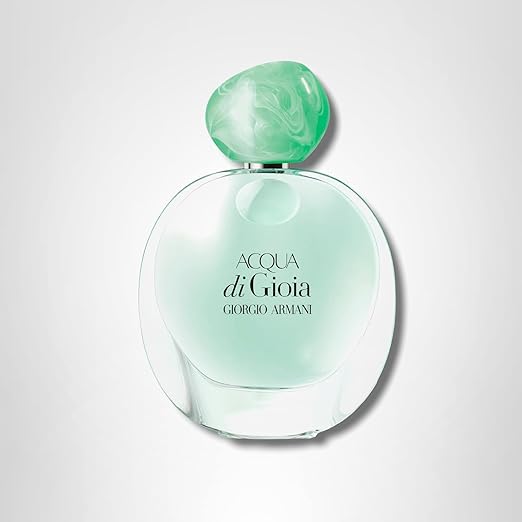
Armani Beauty – Acqua di Gioia – Eau de Parfum
Easy Layering Ideas for Tea & Matcha Perfumes
Tea scents layer beautifully, especially for women building a “signature” vibe.
Clean layering
- unscented lotion for longevity
- a clean musk body product for softness
Cozy layering (matcha direction)
- creamy body lotion (lightly)
- soft vanilla body product (minimal)
Evening layering (black tea direction)
- a gentle amber body oil (very light)
- a soft woody base (subtle, not smoky)
The best layering is invisible—everything should blend into one smooth “aura,” not separate scents fighting each other.
Conclusion
Tea and matcha perfumes are one of the most wearable and sophisticated fragrance trends of 2026. They feel calm, clean, and quietly luxurious—perfect for daily life, office settings, cafés, and any moment where subtle elegance feels more attractive than intensity.
Whether the vibe is crisp green tea, soft white tea, creamy matcha latte, or deeper black tea warmth, the best tea fragrances deliver a modern kind of beauty: effortless, refined, and unforgettable up close.


You May Also Like

Best Office Perfumes for Women (2026): Clean, Low-Risk, and Always Appropriate

10 “Safe” Perfumes to Gift a Woman (2026): Crowd-Pleasers That Rarely Miss
