
Perfume Notes Explained (2026): Top, Heart, Base + How to Read a Note Pyramid
Perfume notes can feel confusing at first—especially when you read a “note pyramid” and think: How can one fragrance smell like lemon, jasmine, vanilla, wood, and musk at the same time? The truth is: it doesn’t smell like everything at once. Perfume is designed to unfold in stages.
Once you understand top, heart, and base notes, you’ll instantly shop smarter, choose scents that fit your lifestyle, and avoid blind buys that disappoint after an hour.

What Are “Perfume Notes”?
Perfume notes are the scent ingredients (or scent impressions) you smell in a fragrance. Some notes are natural extracts, some are synthetic aroma molecules, and many are blends that create a specific effect (like “clean skin” or “warm amber”).
A perfume is built like a story:
- it opens with one mood
- transitions into its main personality
- finishes with a long-lasting signature
That’s exactly what the note pyramid shows.
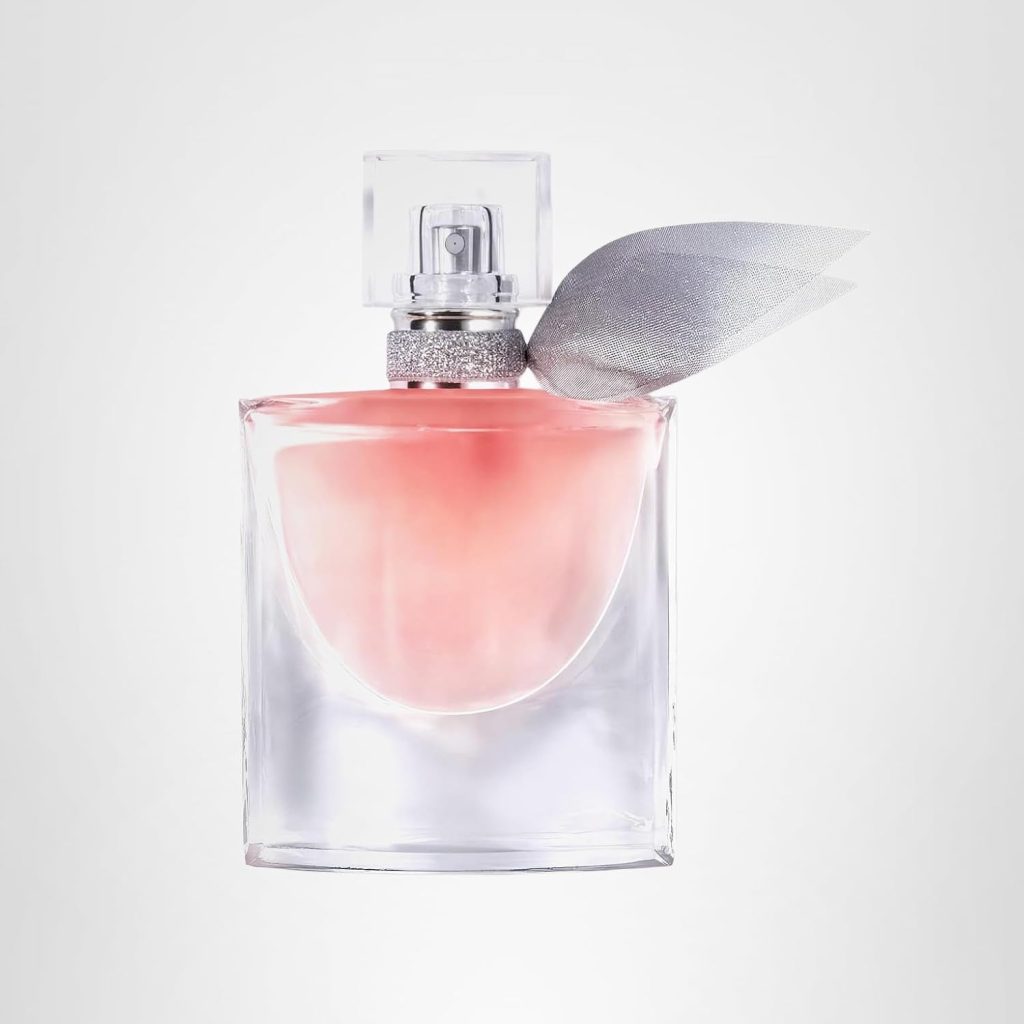
Lancôme La Vie Est Belle Eau de Parfum
The Note Pyramid: Top, Heart, and Base Notes
Most perfumes follow a classic structure:
1) Top Notes (Opening Notes)
What they are: The first impression—what you smell in the first few minutes.
How long they last: Usually 5–20 minutes (sometimes up to 30).
What they feel like: bright, sparkling, fresh, lively.
Common top notes:
- citrus (bergamot, lemon, mandarin)
- light fruity notes (pear, apple)
- fresh aromatics (mint, lavender)
- airy aldehydes (clean, “sparkly” vibe)
- some lighter florals
Top notes are designed to grab attention quickly—but they’re not the part that lasts.

Yves Saint Laurent Eau De Parfum Spray for Women
2) Heart Notes (Middle Notes)
What they are: The “main character” of the perfume—its true personality.
How long they last: Usually 1–4 hours.
What they feel like: smoother, fuller, more blended than the opening.
Common heart notes:
- florals (jasmine, rose, peony, orange blossom)
- tea notes (green tea, white tea)
- spices (cardamom, pink pepper—often here)
- fruit notes that stay (plum, berries)
- creamy accords (matcha/milky softness)
If you want to know whether you’ll actually love a perfume, the heart notes matter more than the opening.
3) Base Notes (Dry-Down Notes)
What they are: The foundation—deep notes that last the longest.
How long they last: 4–12+ hours (sometimes longer on clothes).
What they feel like: warm, smooth, cozy, sensual, “expensive.”
Common base notes:
- musk (clean skin finish)
- woods (sandalwood, cedar)
- amber (warm glow)
- vanilla (creamy warmth)
- tonka bean (velvety sweetness)
- patchouli (depth, modern luxury when clean)
- resins (labdanum, benzoin)
The base is what people often smell on you later in the day. This is why a perfume can feel “different” after 2–3 hours.
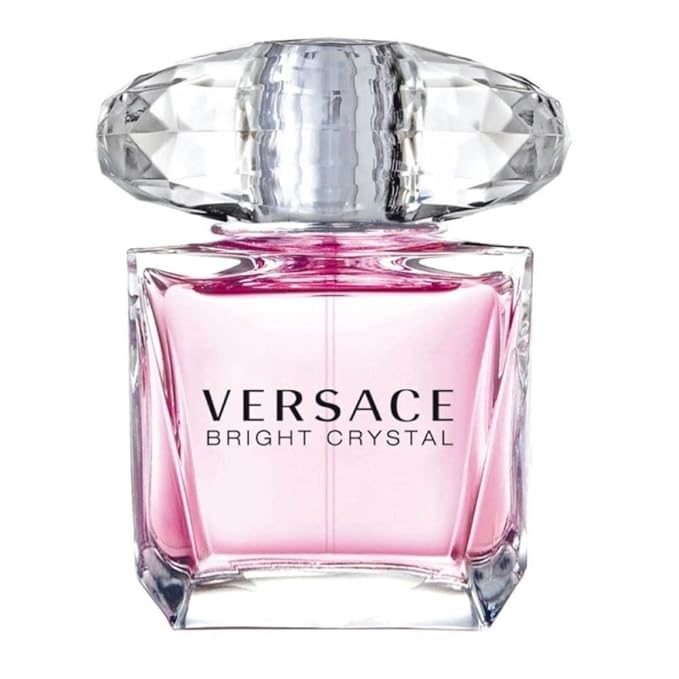
Versace Bright Crystal by Versace for Women
Why the Same Perfume Smells Different Over Time
Perfume changes because of evaporation rates:
- lighter molecules rise and fade first (top notes)
- mid-weight notes stay longer (heart notes)
- heavier molecules last the longest (base notes)
Also, your skin chemistry affects:
- how fast the scent evaporates
- how sweet or musky it becomes
- which notes become stronger on you
That’s why someone can love a perfume on a friend and feel it’s “too sweet” on themselves.
How to Read a Note Pyramid Like a Pro
A note pyramid is not just information—it’s a shopping tool.
Step 1: Ignore the top notes when deciding to buy
Top notes are the most misleading part because they fade quickly. Enjoy them, but don’t decide based only on them.
Step 2: Choose perfumes based on the base notes you love
Base notes are your best clue for:
- long-term comfort
- “signature scent” potential
- elegance and smoothness
If you love musk + sandalwood, you’ll likely love many clean-luxury perfumes.
Step 3: Use heart notes to match your vibe
Heart notes tell you the style:
- florals = feminine/romantic
- tea = calm/clean luxury
- fruits = playful or sensual
- spices = warm and bold
Step 4: Predict longevity
Perfumes with strong base notes (musk, woods, amber, vanilla, tonka) usually last longer than perfumes that are mostly citrus and watery notes.

Pascal Morabito Beautiful Girl By Pascal Morabito For Women
Quick Examples: What Note Profiles Usually Mean
These patterns help you “translate” note lists.
Citrus + Musk + Light Woods
Usually means: clean, fresh, office-friendly, summer-friendly.
Vanilla + Tonka + Amber
Usually means: cozy, warm, winter-friendly, date-night friendly.
Tea + Musk + Soft Floral
Usually means: polished, calm, minimal, “quiet luxury.”
Dark Fruit + Amber + Woods
Usually means: modern, sexy, evening-friendly, rich but not sugary.
Matcha/Milk Notes + Vanilla + Sandalwood
Usually means: creamy, cozy, trendy gourmand with a refined feel.
A Simple Testing Method That Matches the Note Pyramid
If you want to experience the pyramid properly:
- Spray once on skin
- Smell immediately (top)
- Smell again after 15–20 minutes (heart begins)
- Smell again after 1–2 hours (heart is clear)
- Smell again after 4+ hours (base/dry-down)
If you love the dry-down, it’s a strong candidate.
Common Mistakes People Make With Notes
Mistake 1: Buying because the top notes sound amazing
Citrus openings are beautiful, but they don’t last. Always check whether the base notes are also your style.
Mistake 2: Thinking a perfume will smell like every note at once
Notes appear in phases, not as a full list all at the same time.
Mistake 3: Over-trusting “one note”
A perfume listed as “vanilla” can smell clean, smoky, creamy, spicy, or woody depending on what it’s paired with.
Mistake 4: Ignoring base notes when you want longevity
Long wear usually comes from base notes, not top notes.
Conclusion
Understanding perfume notes in 2026 is one of the best ways to shop smarter. Top notes create the first impression, heart notes reveal the true personality, and base notes create the long-lasting signature. Once you can read a note pyramid, you can predict whether a perfume will feel fresh or cozy, light or deep, office-safe or party-ready—and whether you’ll still love it hours later.
Perfume stops being confusing when you realize it’s designed to evolve. And that evolution is exactly what makes fragrance feel luxurious.


You May Also Like

Pistachio & Nutty Perfumes (2026): Why This Scent Trend Feels So Addictive (and So Expensive)
How to Find Your Signature Scent (2026): A Simple Guide to Your “Forever” Perfume
